Moisture-related mold, solved at the source

Mold Remediation in Highlands Ranch Basements, Bathrooms, and Attics

Most Highlands Ranch mold turns up in three places: finished basements, bathrooms, and attics. Each has its own moisture source, and its own fix.

Ask whether the technicians on your job hold IICRC certification for mold remediation, and ask to see it.

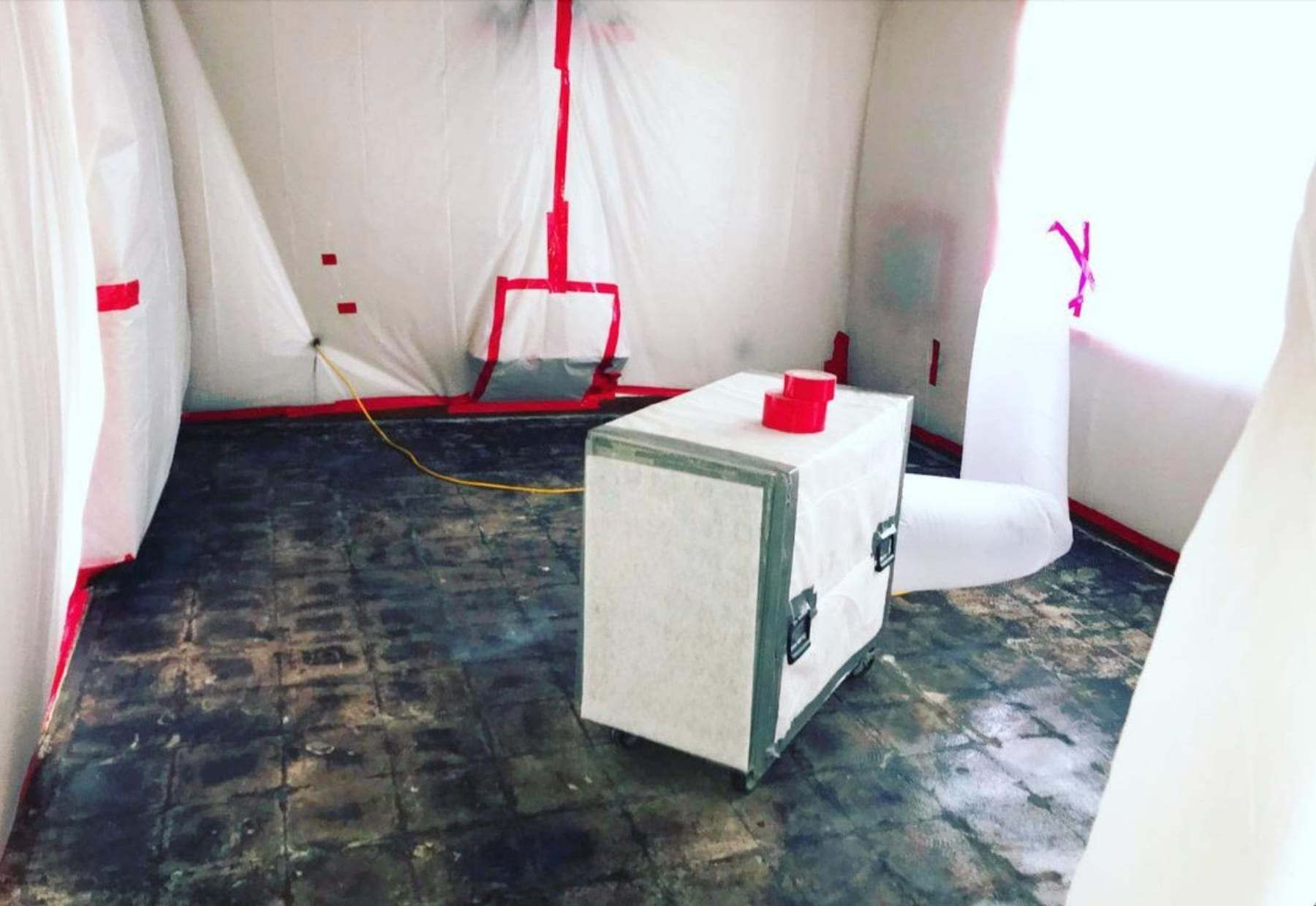
Plastic mold containment with an air scrubber running inside
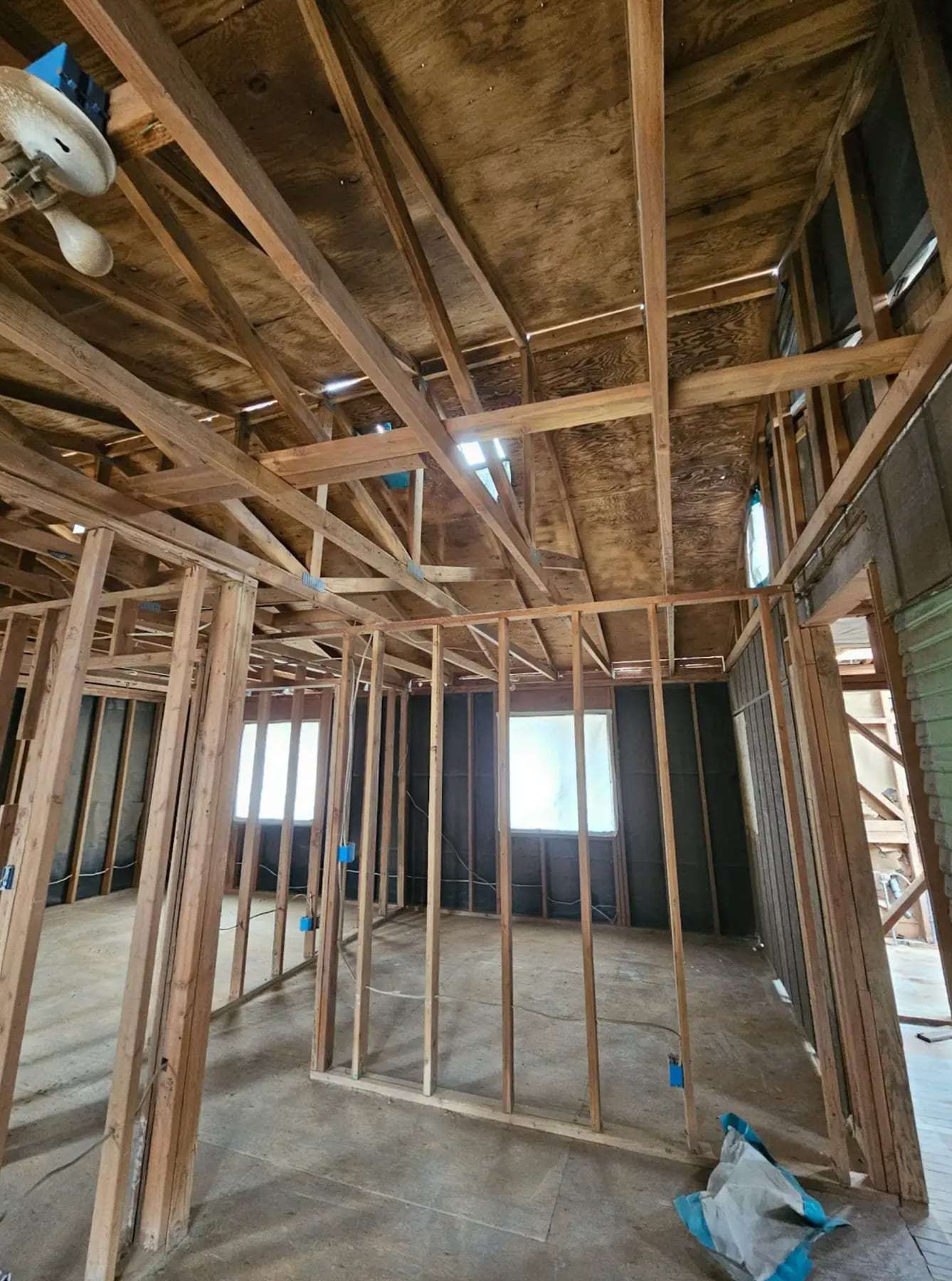
Room gutted to the framing with mold-stained ceiling joists

Three rooms, three moisture problems

In a typical Highlands Ranch two-story with a basement, mold tends to show up where moisture collects. In basements, it comes from foundation seepage, plumbing leaks, and water heater failures. In bathrooms, it comes from shower steam that isn't exhausted and slow leaks around tubs and toilets. In attics, it comes from warm, moist air leaking up from the house or from exhaust fans that vent into the attic instead of outdoors.

Remediation removes the growth; fixing the moisture keeps it from coming back. A good remediation scope covers both the contained removal and the repairs, and names the ventilation or plumbing issue that needs correcting.

Finished basement

Usual moisture source

Ground moisture through slabs and foundation walls, window wells, and leaks from the floor above.

What keeps it from returning

Grading and gutters that move water away, a working sump, dehumidification, and no carpet pad directly on cold slabs.
Bathroom

Usual moisture source

Shower steam with too little exhaust, and slow leaks at tubs, toilets and shower pans.

What keeps it from returning

An exhaust fan vented outdoors (not into the attic), run during and after showers; leaks repaired at the source.

Attic

Usual moisture source

Warm, moist house air leaking up through ceiling gaps, bathroom fans venting into the attic, and roof leaks.

What keeps it from returning

Sealing ceiling air leaks, venting fans outside, and adequate attic ventilation.

Common Highlands Ranch mold situations

SituationWhat usually mattersFirst move
Attic staining found at inspection

A pre-sale inspection reports dark staining on attic sheathing above the primary bathroom. The fan duct had come loose and was venting into the attic.

Where the fan duct ends. Staining over a bathroom usually points to moist air, not a roof leak. Reconnect the duct to an outdoor cap, then have the sheathing assessed.
Basement mold after a water heater leak

A water heater leak was mopped up but never professionally dried, and weeks later the bottom of the drywall shows growth.

How long the drywall and carpet stayed wet, and how far the water wicked up the wall. Leave the growth undisturbed and have the wall checked with a moisture meter.
Shower wall leak

A failed grout line lets water into the wall behind a shower, and mold appears on the drywall in the adjoining closet.

Whether the leak is the grout, the pan or the valve, and what is wet behind the tile. Stop using the shower until the leak is found and the closet wall is opened.

Highlands Ranch homes and mold

Highlands Ranch was developed beginning in the early 1980s, and most of its homes are single-family houses and townhomes with basements, many of them finished, and attics above conventional roof framing. As homes age, bathroom fan ducts can disconnect, original plumbing components wear out, and basement finishes can hide old water events.

Colorado's dry climate helps materials dry quickly when air can reach them, but it doesn't prevent mold in places where moisture is trapped, like behind basement walls, under vanities, and in poorly vented attics.

  • Highlands Ranch is in Douglas County; confirm that any contractor you call works there.
  • Bathroom exhaust ducts should run to a roof or wall cap; ask a contractor if yours doesn't.
  • Mold is often found during real estate inspections; remediation documentation can help a sale proceed.
  • Many contractors serving Highlands Ranch, Littleton, Lone Tree, and Centennial are based elsewhere in the metro, so ask about scheduling and travel time.
Map shows the area served, not an office location. Open in Google Maps

ZIP codes served: 80126 (Littleton), 80129 (Littleton), 80130 (Littleton).

Also nearby: 80122, 80120, 80124, 80131, 80121, 80128, 80125, 80112, 80111, 80113, 80123, 80110, 80237.

Keeping mold from coming back

Remediation removes growth; moisture control keeps it from returning. The EPA's guidance is to keep indoor humidity below 60%, ideally 30–50%. Most Highlands Ranch homes sit comfortably in that range most of the year. If a room doesn't, that's the clue.

0%30%50%65%+

Target band: 30–50% relative humidity (green). Above 60%, mold growth becomes much more likely.

Quick checks you can do

  • Turn on each bathroom fan and confirm air exits outside the house, not into the attic.
  • Look at attic sheathing near bathroom fan ducts with a flashlight from the access hatch, without walking on the insulation.
  • Check under sinks and around the water heater for drips or staining.
  • If you find growth, leave it undisturbed and arrange an assessment.
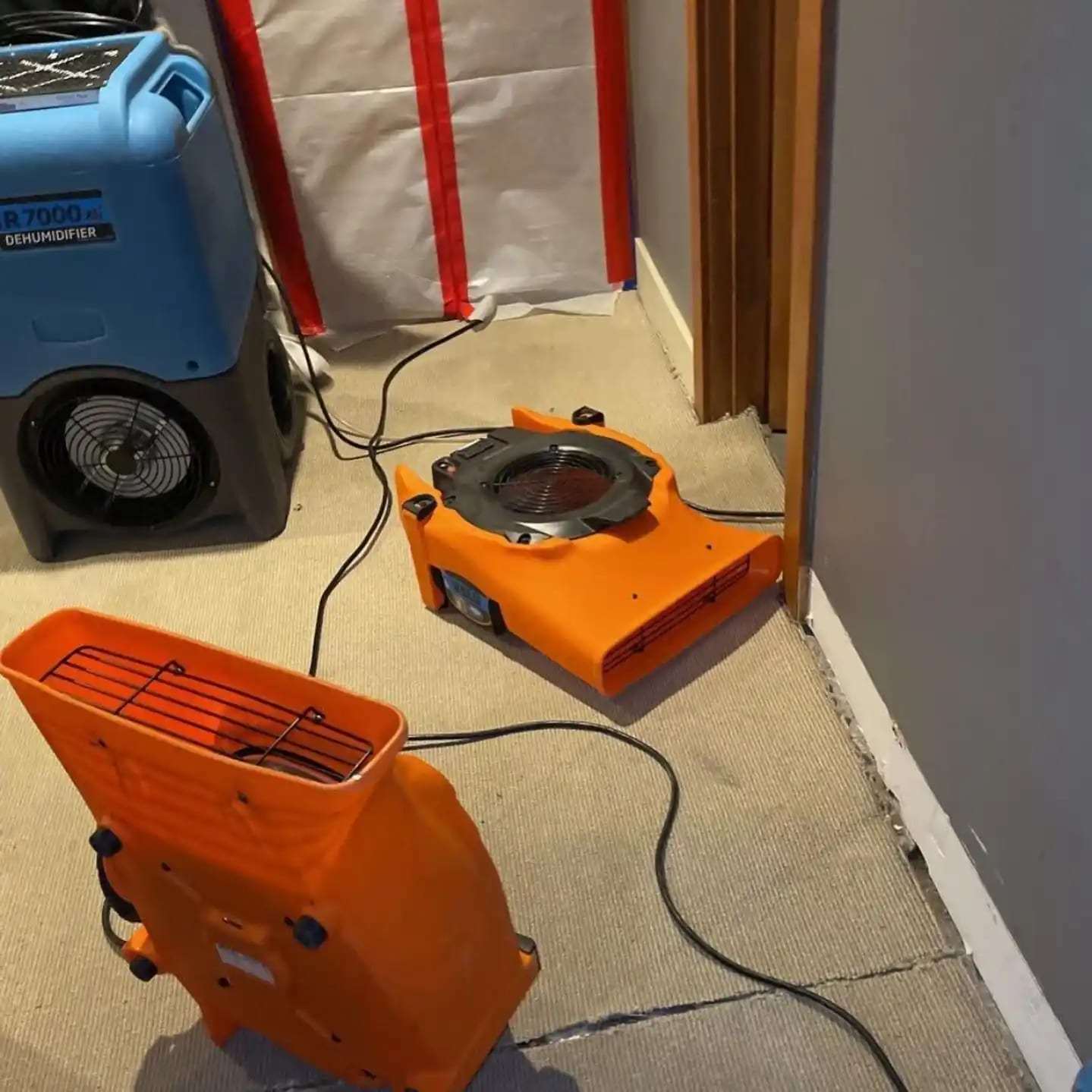
Dehumidifier and air movers at a plastic containment wall in a hallway

Where to look

  • Basements: lower drywall, carpet edges, behind furniture against exterior walls, and around the water heater and sump pit.
  • Bathrooms: ceiling above the shower, around the exhaust fan, window frames, and under the vanity.
  • Attics: dark staining on roof sheathing, especially above bathrooms or near the exhaust fan duct.
  • Closets on exterior walls, where cold surfaces can collect condensation in winter.

How remediation works

Sound remediation follows the same principles, with containment scaled to the area involved.

  1. Locate the moisture

    Inspect and measure to find what's feeding the growth.

  2. Set up containment

    Isolate the area and use HEPA filtration to protect the rest of the home.

  3. Remove and clean

    Remove affected porous materials and clean and HEPA-vacuum structural surfaces.

  4. Dry and fix the cause

    Dry the area and recommend or perform the correction, such as rerouting a vent or repairing a leak.

  5. Restore

    Rebuild drywall, insulation, and finishes.

Request a mold assessment

This form is not connected. This website is a draft preview: no business has been confirmed to receive requests, so the fields below are switched off and nothing can be sent. In an emergency, call 911.

By sending this form you agree to the privacy policy.

Mold questions

Why is there mold in my attic if the roof doesn't leak?

Attic mold commonly comes from warm, moist household air leaking into the attic, or from bathroom or kitchen exhaust fans that vent into the attic instead of outdoors. In winter, that moisture condenses on cold roof sheathing.

Can attic mold be cleaned without replacing the roof deck?

Usually. Structurally sound sheathing can be cleaned, and some contractors apply an encapsulating coating. Fixing the ventilation or air leak is essential, or the growth returns.

Is mold common in Colorado's dry climate?

Colorado's low humidity helps, but mold still grows wherever water is trapped, such as behind basement finishes, in wall cavities after leaks, and in poorly vented bathrooms and attics.

Will a real estate transaction be affected by mold?

Mold findings are common in inspections. Remediation by a professional company, with documentation of the work and the moisture correction, helps buyers and sellers move forward.

How do I prevent bathroom mold?

Run the exhaust fan during showers and for 20 to 30 minutes after, make sure it vents outdoors, keep grout and caulk in good repair, and fix leaks promptly.

Does a remediation contractor test for mold?

Remediation contractors typically inspect and assess moisture and visible growth. When laboratory testing is wanted, for health concerns or clearance after remediation, it's often done by an independent assessor so results are objective.

What indoor humidity should I aim for to keep mold from coming back?

The EPA recommends keeping indoor relative humidity below 60%, ideally between 30% and 50%. Colorado's air is usually dry, so a basement or bathroom that stays humid points to a specific moisture source worth finding. An inexpensive hygrometer will tell you.

What to ask before agreeing to mold remediation

Mold in a Highlands Ranch basement, bathroom, or attic?

Leave the growth undisturbed, stop any leak, take photos, and check your policy. Then choose a contractor you have checked whose inspection finds the moisture source and whose plan fixes it.

Call Get help